
Listen to the difference
Same person. Two voices.
The same passage, read in each of my voices.
The voice I used for years
0:49Captions appear here during playback.
Transcript & download
Lightly edited for readability. Diary recordings contain strong language. These are my words at the time.
When the sunlight strikes raindrops in the air, they act as a prism and form a rainbow. The rainbow is a division of white light into many beautiful colours. These take the shape of a long round arch, with its path high above and its two ends apparently beyond the horizon. There is, according to legend, a boiling pot of gold at one end. People look, but no one ever finds it. When a man looks for something beyond his reach, his friends say he is looking for the pot of gold at the end of the rainbow. Throughout the centuries, people have explained the rainbow in various ways. Some have accepted it as a miracle without physical explanation. To the Hebrews, it was a token that there would be no more universal floods.
Download audio · MP3My lower voice
0:46Captions appear here during playback.
Transcript & download
Lightly edited for readability. Diary recordings contain strong language. These are my words at the time.
When the sun strikes raindrops in the air, they act as a prism and form a rainbow. The rainbow is a division of white light into many beautiful colours. These take the shape of a long round arch, with its path high above and its two ends apparently beyond the horizon. There is, according to legend, a pot of gold at one end. People look, but no one ever finds it. When a man looks for something beyond his reach, his friends say he is looking for the pot of gold at the end of the rainbow. Although the centuries, people have explained the rainbow in various ways. Some have accepted it as a miracle without physical explanation. To the Hebrews, it was a token that there would be no more universal floods.
Download audio · MP3Archived 5 February 2024. Original audio, compressed for listening with no pitch effects.
My 2024 diary and memoir, with reflections added in September 2026.
01 · Growing up
A voice I couldn’t explain.
A sensitive kid in a small rural community.
I grew up in a small rural community in the Bay of Plenty, New Zealand. I was a shy, timid kid and very sensitive.
As I approached my teens, my parents went through a really rough breakup. I didn’t understand it at the time, but I later came to see how deeply it had affected the wider community as well as our family. After the breakup, I never saw my father again.
I remember my mother spending months in bed, depressed about what had happened. My father was absent, and the memories I had of him were mostly negative. They may not tell the whole story, but they were the perspective I carried through my teenage years.
Other boys’ voices changed. Mine seemed to stay the same.
I don’t remember much of my teenage years, but I do remember feeling incredibly embarrassed by the changes that came with puberty. It is an awkward time for anyone. I noticed the other boys’ voices changing around me, while mine seemed not to.
By my late teens and early adult years, my speaking voice still felt frozen in time: weak and high pitched. I had never come across anyone else with a voice like mine. I didn’t understand what was happening, and the people I turned to, including the professionals I saw, couldn’t give me an explanation.
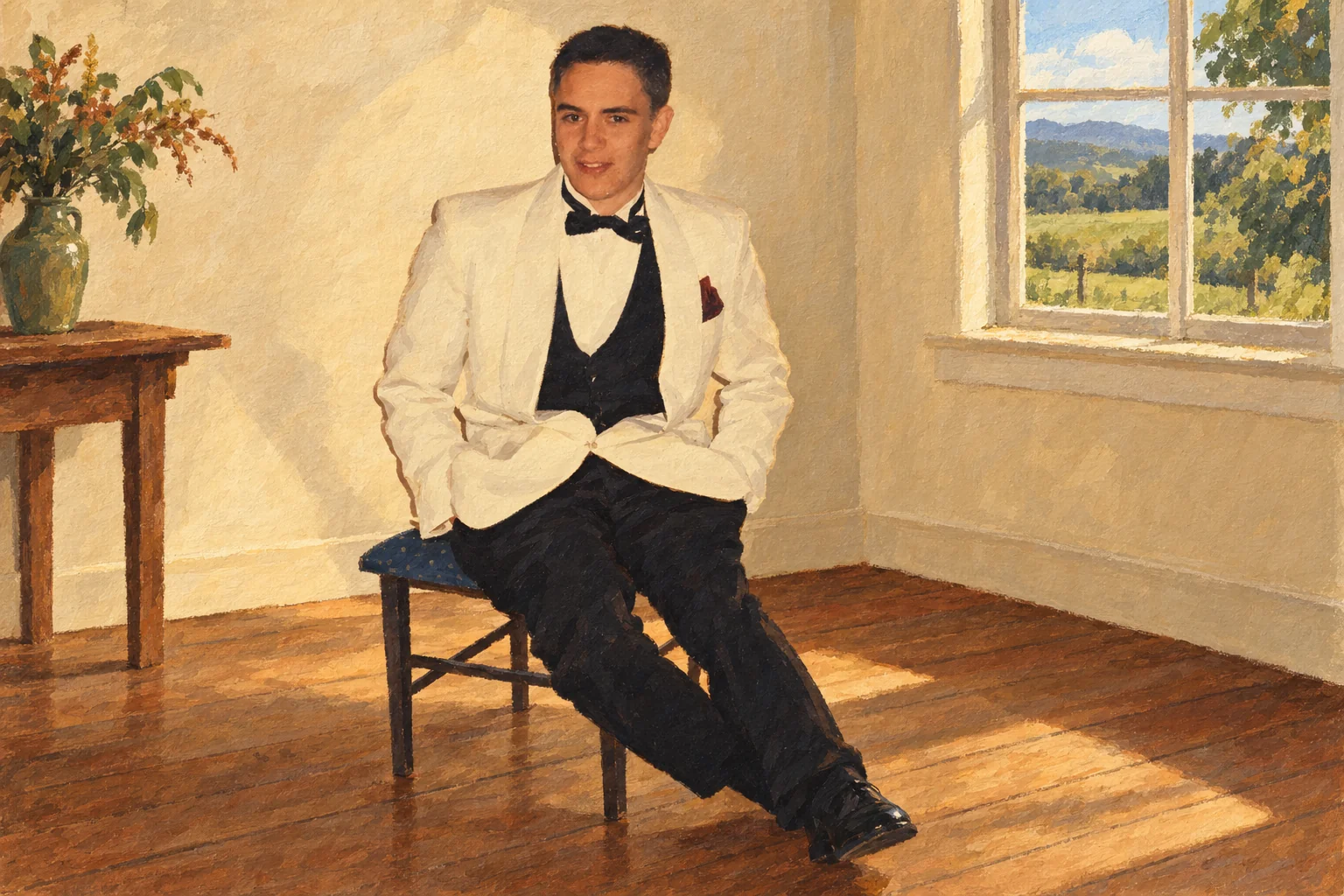
The bullying left me feeling completely alone.
As a teenager, I was relentlessly bullied by one person about my voice. It absolutely destroyed me. I’m not sure that person knows how much damage it did at the time.
I couldn’t explain what was different about my voice, even to myself. Being singled out for something I didn’t understand made that isolation even harder.
The fear was intense enough to make my body shake.
After a very brief reveal as a teenager, I hid my deeper voice from people as much as I could.
Calling the lower voice “uncomfortable” hardly describes it. When it came out, deliberately or by accident, I could feel intense shame, embarrassment and fear. My body would shake. I felt deeply uncomfortable and wanted it to stop. Even when I wanted to change, exposing that voice could bring all of those feelings to the surface.
My falsetto would sometimes crack into the deep voice for a moment. That brief sound felt humiliating. I spent so much time and energy avoiding situations where it might happen.
The lower voice was something I could produce, but being heard using it felt frightening. That is a large part of what a before-and-after recording leaves out.
02 · Carrying it into adult life
Years of hiding and rebuilding.
I built my life around not being heard.
From my teenage years into young adulthood, I carried the anxiety of someone hearing my voice and asking the questions I dreaded. Why did I sound like Kermit the Frog? Did I have a cold? Why did I sound like a girl?
I designed my life around avoiding that moment. I passed up careers that might expose me, stayed away from loud venues and crowded spaces and tried to keep myself small and unnoticeable. At times, I’m sure my silence came across as rude. Inside, I was trying to protect myself.
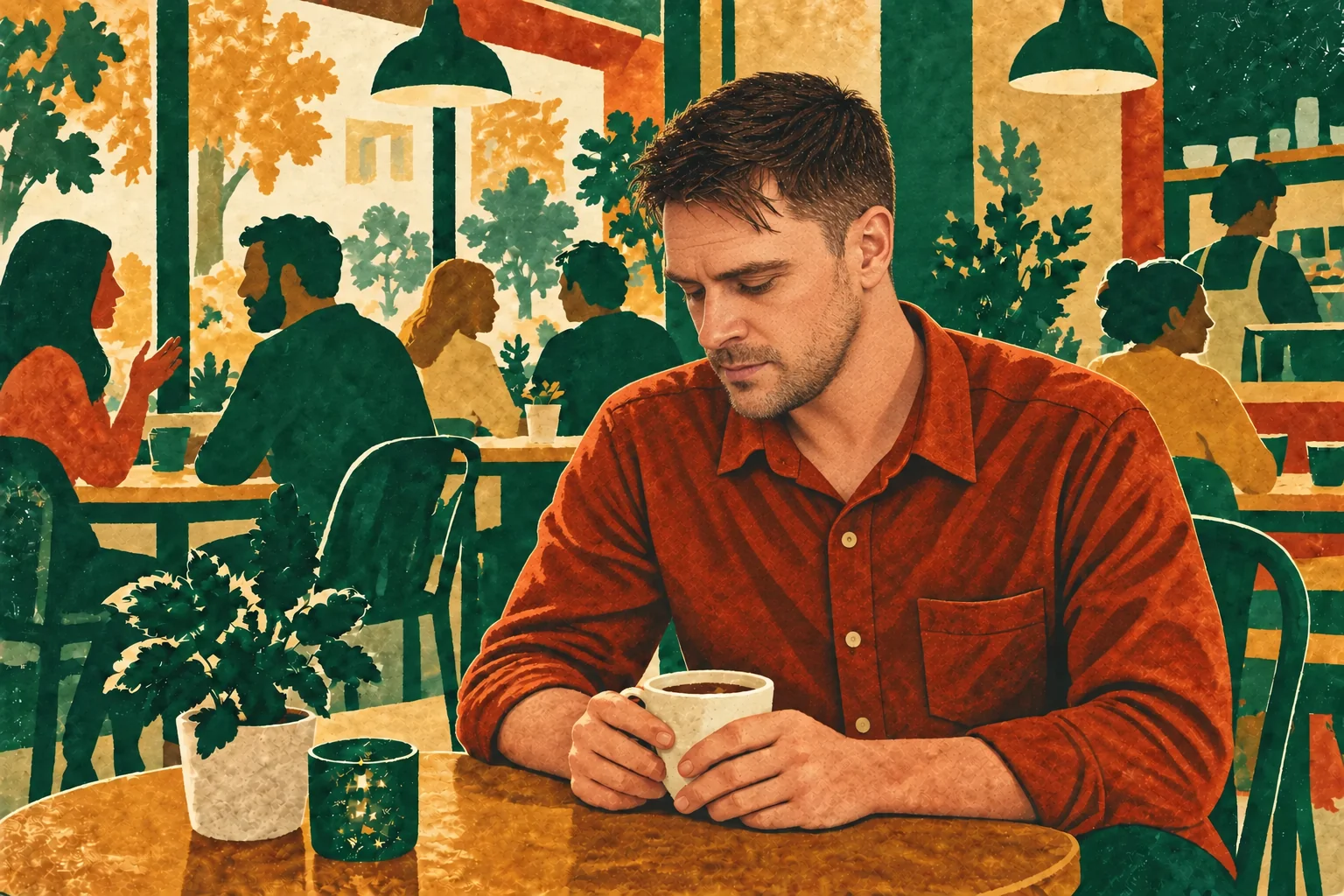
Years later, I asked Mum what had happened.
It wasn’t until adulthood that I asked my mother why my voice hadn’t naturally changed. She told me it had tried to change, but that I had been so uncomfortable with it that I resisted as much as I could.
I don’t remember that at all. It is her recollection of that time. What I do remember is the embarrassment I felt about puberty and, later, the fear of letting anyone hear my deeper voice.
I tried to lower the voice I felt safe using.
I knew my falsetto was high pitched. It just didn’t sound that way inside my head. I was aware of how other people heard me, while my own experience of the sound was different.
The irony is that I tried to make my falsetto as low pitched as possible while being intensely afraid of my deeper voice. I wanted a lower sound, but I wanted to stay within the voice that felt familiar. Briefly cracking into the deep one crossed a line that felt exposing and humiliating.
It confused me too. Wanting the sound to change and feeling able to use that change were very different things.
My old voice protected me. But that protection was faulty.
I used my old voice as a way of filtering people. How someone responded to it helped me decide who was genuine and who wasn’t. It also felt like protection from becoming the person I feared a deeper voice might turn me into.
That made letting it go complicated. The voice I struggled with was also a voice I relied on. It offered a sense of protection, while leaving me vulnerable to comments and keeping me caught in the work of hiding, avoiding and rebuilding my confidence.
Even as a parent, I still wanted the questions to stop.
At a school camp where I was a parent helper, a child asked why I spoke “so weird”. I had no explanation, so I invented one: I said I had been stabbed in the neck. That never happened. I just wanted an answer that would end the conversation.
I was there as an adult helping with the camp, still trying to explain a voice I didn’t understand.
I found the confidence to try streaming. Then the comments came.
At one point, I felt confident enough to try streaming on Twitch. The first few comments in chat went straight to my voice: why was it so high pitched? Why did I sound like a girl but look like a guy?
It was soul destroying. I wanted to vanish off the face of the earth. I had put myself out there, and the thing I was most afraid of became what people noticed.
A comment could undo months of confidence.
It could take months and months to build my confidence speaking in falsetto until I felt relatively comfortable with life. Then a comment about my voice could knock that confidence back into the stone age. Each time, it felt as though I was rebuilding from somewhere deeper.
Years of feeling small and caged in my voice took their toll. I would become severely depressed and frustrated by how small my world had become. I couldn’t find an explanation or anyone who seemed to be living with the same thing. As I got older, those periods became more frequent and deeper. I honestly didn’t think I would ever make the switch.
I fantasised about suddenly changing one day. I imagined moving to another country and starting there with the deeper voice, or pretending I had a cold so there would be an explanation for the change. I wanted a way around the moment of being heard differently. Deep down, I think I knew something bigger than finding a convincing excuse was putting the brakes on it.
03 · Reaching a turning point
I needed something to change.
On Reddit, I finally found people asking the same questions.
Eventually, I stumbled across a Reddit forum where other people were describing the same problem and looking for answers. For the first time, I had a name for it: puberphonia. I wasn’t the only person living with this.
That gave me a glimmer of hope. With a name to search for, I could find articles about treatment and videos of people changing their voices. Until then, I hadn’t known where to look.
I needed to believe there could be a different future.
I was at an all-time low. A comment at a family gathering had triggered a spiral, and my boss noticed something was wrong. I couldn’t keep pretending my voice was separate from the rest of my life.
At that point, I was afraid I wouldn’t live past 40 if things stayed as they were. That was how desperate I felt. Finding other people with the same experience gave me enough hope to start looking for a way through.
The bullies targeted my pitch. I wanted more of my voice back.
The high pitch was what bullies picked on. But a big reason for changing was wanting volume, endurance and power back in my voice. I also wanted people to stop misgendering me on the phone. Those were everyday reasons that a pitch comparison on its own can’t explain.
Volume
Being heard in a café or a group conversation.
Endurance
Keeping a conversation going without my voice tiring out.
Power
Calling out and being heard over the noise at motocross.
Being recognised
Having people recognise me as a man on the phone.
So much attention went into how I would speak, whether my voice would carry and whether it might crack. I wanted more of that attention back for living.
The transformation videos didn’t show the part I was struggling with.
As I researched, I noticed people seemed to be starting from different places. Some hadn’t realised they could access a deeper voice. In videos, I watched a speech therapist help someone find that sound through vocal exercises.
Some titles framed it as a man going from sounding “like a girl” to having a “deep, manly voice” overnight. I found that demeaning and offensive. It echoed the judgements that had already hurt me.
The people in those clips often looked happy with the change. From the outside, it seemed as though finding the sound was all they needed. I couldn’t know what they felt or what happened after the camera stopped. But I couldn’t see my own struggle in what was being shown.
I already had the sound. I couldn’t cope with using it.
My deeper voice was there, and I knew how to produce it. What held me back felt deeply psychological, somewhere beyond a conscious decision to speak differently.
Whenever I tried, it felt as though my nervous system couldn’t handle it. I would tremble, become intensely anxious and feel afraid and ashamed. Inside my head, I sounded like a freight train. I could feel my chest vibrating.
Finding the voice wasn’t the missing piece for me. I needed help with being able to tolerate it, be heard in it and eventually feel that it belonged to me.
04 · Getting help and letting people in
Making the change real.
I booked therapy for the hopelessness. Then I found the courage to talk about my voice.
I reached a point where I needed help and booked an appointment with a therapist. At first, it was to tackle the hopelessness I felt. But I decided I needed to tell him about puberphonia and what it had done to my life.
Even bringing up the condition took a lot of courage. I almost didn’t do it. I backed out a few times before I finally said it.
Talking with someone trained to listen and guide without judgement helped tremendously. I believe that conversation started a chain reaction that continued over the next couple of months.
Accepting help meant explaining something I could barely describe.
Even with that support, I found it difficult to trust that the experts understood this particular experience. How could someone help with something they might never have seen before, especially when so much of it happened inside my head?
How did I explain being intensely afraid of using a voice I could already produce? Or that, when I spoke in it, it sounded muffled to me and seemed to blend into the background noise? The pitch, power and endurance that other people seemed to take for granted had been a struggle for me my whole life.
A stranger in Canada understood what I meant.
Around this time, a man in Canada saw my Reddit post and reached out. He was a little older than me and had recently switched fully to his deeper voice after going through the same thing. I was 37 by then, with hundreds of attempts to change behind me.
He was someone I could trust with the feelings and sensations I struggled to explain. He could relate to them from his own experience and offer reassurance and encouragement. I didn’t have to keep trying to make someone understand what I meant.
Without him, I think I would still be trying.
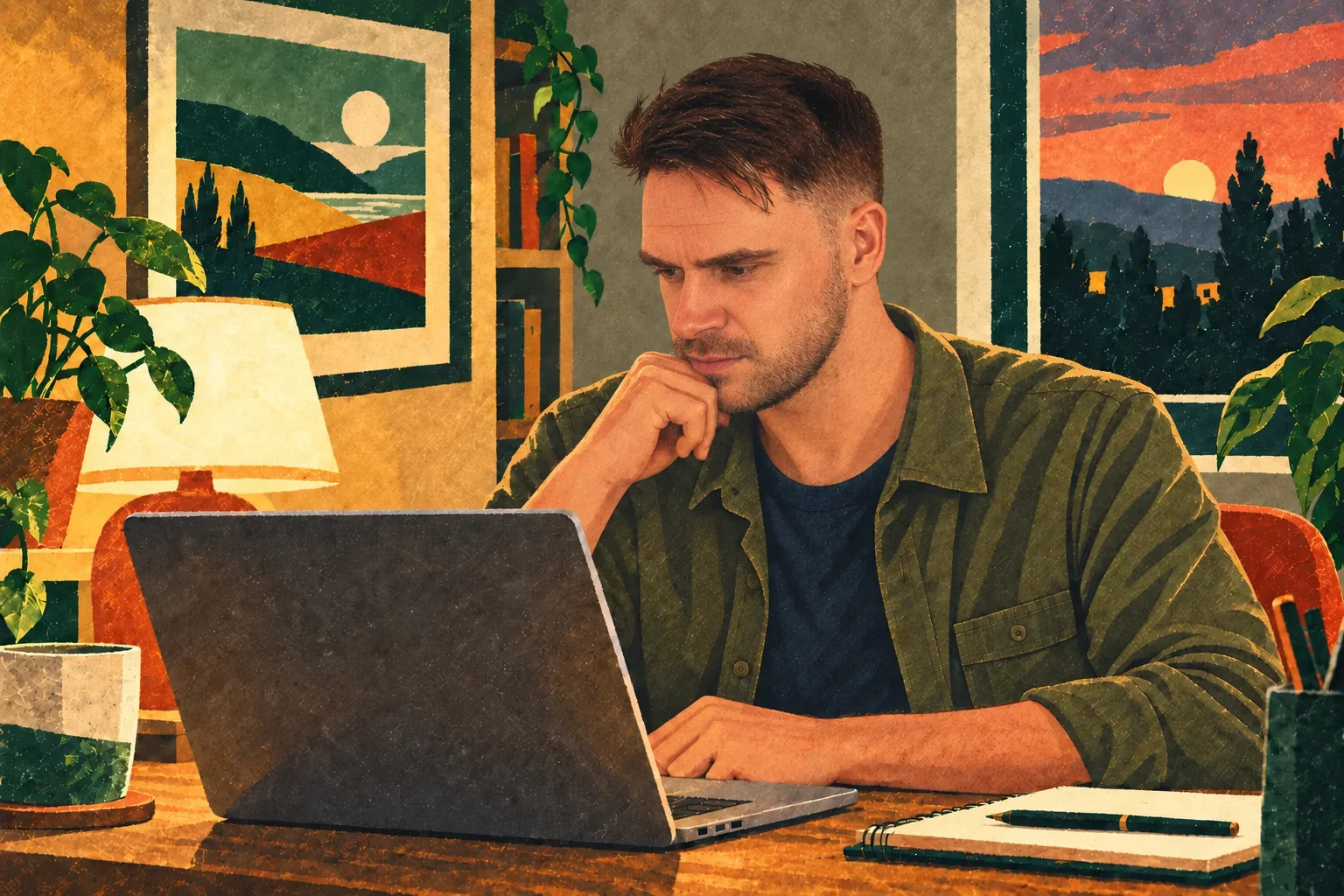
I was afraid I would become someone I wasn’t.
Trying to switch brought a real, intense identity crisis. I worried about what kind of person I would become. The deeper voice felt connected to something much bigger than sound, and I was afraid that changing it would change me for the worse.
After being bullied for my voice, I also heard kind people say things like “I like your unique voice” or “Your voice makes you, you.” I appreciated that they were trying to support me. But while I was trying to switch, those words confused me and made me doubt myself. If that voice was what made me me, what would changing it mean?
I needed support for the person making the change, including the part of me that wanted it. I’ve written more about those well-meant comments in the guide for family and friends.
A difficult moment with my children
When I revealed the deeper voice, my children cried.
That was extremely hard for me. I was already carrying so much fear and shame about letting people hear it. Being able to make the sound was one thing. Letting the people closest to me hear it was another.
05 · Switching and settling into it
Learning to live in the voice.
The 2024 diary: useful before it felt comfortable.
In February and March 2024, I recorded the fear and frustration while I was still in the middle of the change. I tried the lower voice in different settings and described what was getting easier, as well as what still felt difficult.
At motocross it carried over noise when the familiar voice struggled. By Day 15, the vibration was less distracting, but I still rated my comfort at only 20 out of 100. Being able to do more and feeling frightened could exist together.
Follow the recordings in date order →The hardest thing I’ve ever done.
Exposure therapy helped me slowly acclimatise to the new voice. I’m not exaggerating when I say making the switch was the hardest thing I have ever done in my life. The closest way I can describe it is being confronted by your worst fear and living with that, every day, for a few years.
The recordings on this site capture part of that experience. They are a window into the change, rather than its full length. It took much more than being able to make a different sound.
Learning to live with it was one hurdle. Being heard was another.
Worrying about what other people would think terrified me just as much. What would they say? Would they think I was a freak? Would they dislike the new voice? I was trying to get used to hearing myself differently while also imagining everyone else’s reaction.
When I switched full time, most people barely commented.
The reality was very different from what I had feared. Once I made the switch full time, almost nobody said anything. The people who did ask questions came from a supportive place.
Those conversations often became a chance for them to talk about their own struggles. My change seemed to give them inspiration to tackle something they had been carrying too.
The permanent switch was followed by another two years of settling.
Switching wasn’t the end of the journey. It took me another two years after the permanent switch to feel that my nervous system had properly settled down. The deeply unsettling feeling took a long time to disappear before I could finally relax into the voice.
I think that was part of my hesitation: knowing that making the switch wouldn’t immediately make everything feel better. I would still have to live through the discomfort while it became familiar. That was how it unfolded for me.
06 · At 40, looking back
I’ve reclaimed my voice.
I’m 40 now, and I’ve reclaimed my voice. I didn’t become the worse version of myself I had feared. I became what I think of as a better version of myself: still me, with more freedom to speak and participate in my own life.
What I wonder about now.
Looking back on my childhood, I wonder whether my familiar voice felt like something I could control: a way of feeling separate from my father and the idea of becoming like him.
That is a possibility I’ve considered when trying to understand why the deeper voice felt so uncomfortable. I can describe the feeling much more confidently than I can explain where it came from.
I wish I had changed sooner. I also forgive myself.
I look back and regret not making the change as soon as I could. I could have lived my young adult life without such a severe limitation. That is hard to think about.
But I didn’t have the knowledge or understanding of what was happening, or how to get through it. I forgive myself for that. I can wish things had been different without forgetting how little I understood and how frightened I was.
This is why I’m sharing it.
I want to help other people who might be going through the same thing. That is why this site exists, despite my hesitation about putting such private parts of my life in front of the whole world.
A stranger who understood my experience made an enormous difference to me. I hope these pages can help someone else feel understood, find words for what is happening and see a way forward.
If you have the sound but feel afraid to use it →Music by Leemus
The struggle, in a song.
I wrote this about the struggle before and during my voice transition. It belongs here alongside the diary and the longer story.
Open the song in Spotify